 Skip to content
Introduction
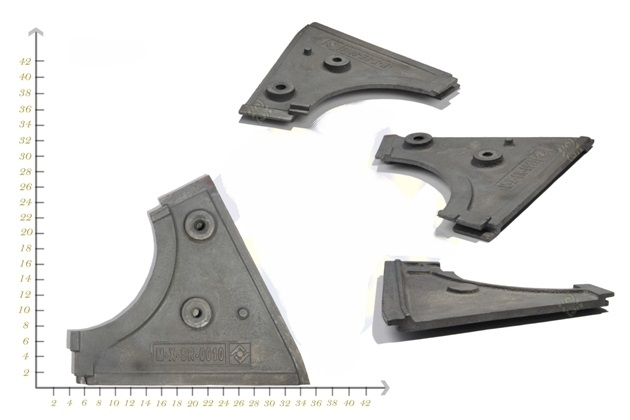
In modern metalworking and manufacturing industries, surface preparation plays a critical role in product quality, durability, and performance. One of the most effective and widely used surface treatment processes is shot blasting.
But what exactly is shot blasting, how does it work, and why is it essential for industrial applications?
This article provides a clear, practical, and industry-focused explanation of shot blasting and its importance in today’s manufacturing environment.
What Is Shot Blasting?
Shot blasting is a mechanical surface preparation process in which small spherical or angular abrasive media—typically steel shot or steel grit—are propelled at high velocity onto a metal surface.
The purpose of shot blasting is to:
- Remove rust, scale, paint, and contaminants
- Clean and prepare surfaces for coating or painting
- Improve surface texture and adhesion
- Enhance fatigue resistance in some applications
Unlike chemical or manual cleaning methods, shot blasting is fast, repeatable, and highly efficient for industrial-scale operations.
How Does Shot Blasting Work?
In a shot blasting machine, abrasive media is accelerated using a blast wheel (turbine) or compressed air system. The media impacts the surface with controlled force, dislodging unwanted material and creating a clean, uniform finish.
The basic process includes:
- Acceleration of abrasive media
- Impact with the workpiece surface
- Removal of contaminants and surface irregularities
- Recovery, separation, and reuse of the abrasive
Modern shot blasting systems are designed for continuous operation with minimal media loss and consistent performance.
Key Components of a Shot Blasting System
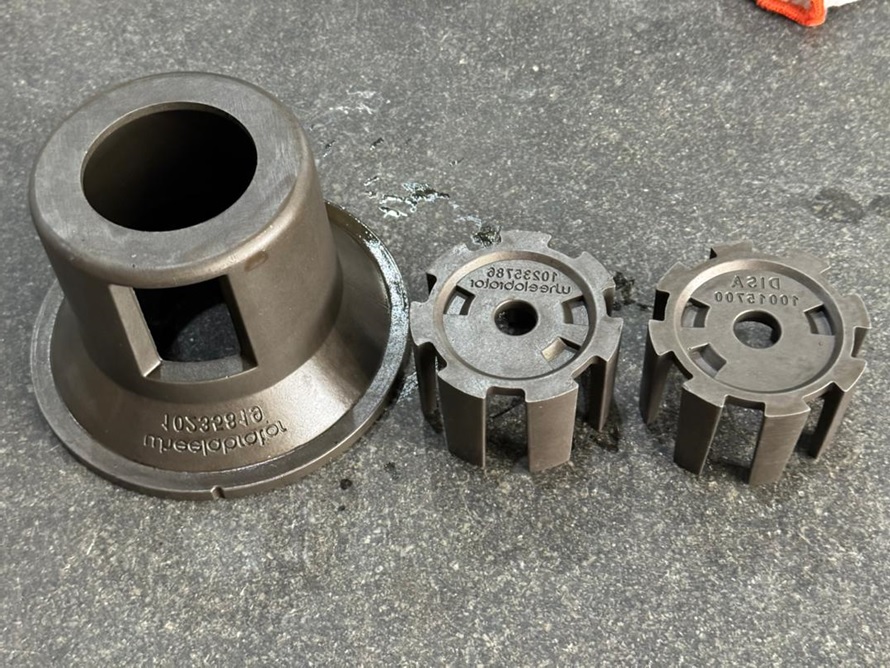
A standard shot blasting machine consists of several critical components:
- Blast Wheel (Turbine): Accelerates the abrasive at high speed
- Abrasive Media: Steel shot, steel grit, or specialty abrasives
- Control Cage & Impeller: Direct and regulate abrasive flow
- Wear Liners & Protective Plates: Protect the machine housing
- Abrasive Recovery & Separation System: Ensures clean, reusable media
The quality and compatibility of these components directly affect blasting efficiency, surface quality, and maintenance costs.
Applications of Shot Blasting in Industry
Shot blasting is used across a wide range of industries, including:
- Steel fabrication and structural steel
- Automotive and heavy machinery manufacturing
- Foundries and casting plants
- Shipbuilding and offshore structures
- Oil, gas, and pipeline industries
Any industry that requires clean, durable, and properly prepared metal surfaces relies on shot blasting as a core process.
Importance of Quality Abrasives and Spare Parts
The performance of a shot blasting system depends heavily on the quality of abrasives and replacement parts.
High-quality steel abrasives:
- Deliver consistent surface profiles
- Reduce dust and media breakdown
- Improve cleaning efficiency
OEM-standard spare parts:
- Extend machine lifespan
- Reduce downtime and unplanned maintenance
- Maintain stable blasting performance
Using low-quality or incompatible parts may reduce upfront costs but often leads to higher long-term expenses and reduced production reliability.
Shot Blasting vs. Sand Blasting
Although often confused, shot blasting and sand blasting are not the same.
| Shot Blasting | Sand Blasting |
|---|---|
| Uses steel shot or grit | Uses sand or mineral abrasives |
| Abrasives are reusable | Abrasives often disposable |
| More controlled and consistent | Less precise |
| Ideal for industrial automation | More manual applications |
Shot blasting is generally preferred for high-volume industrial environments where consistency and efficiency are critical.
Common Mistakes in Shot Blasting Operations
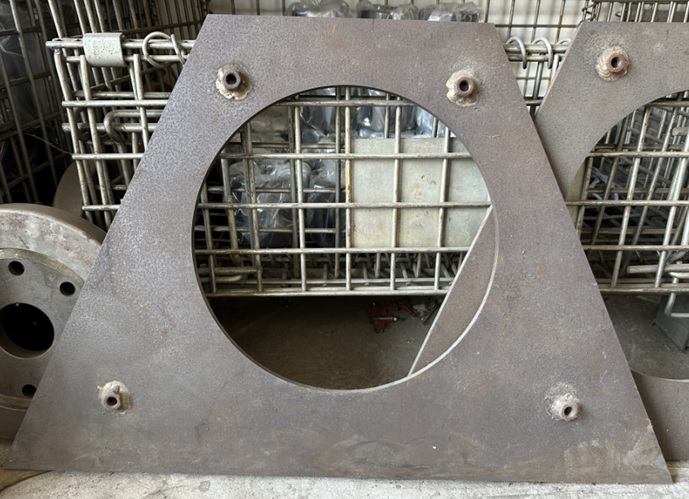
Some frequent issues in shot blasting processes include:
- Using incorrect abrasive size or type
- Poor maintenance of blast wheels and liners
- Ignoring abrasive contamination
- Operating with worn or non-standard spare parts
Avoiding these mistakes can significantly improve surface quality and reduce operating costs.
Conclusion
Shot blasting is a vital industrial process for surface preparation, cleaning, and finishing of metal components. When combined with high-quality abrasives, reliable spare parts, and proper machine maintenance, it delivers consistent results, improved coating performance, and long-term cost savings.
For industries seeking efficiency, durability, and professional surface preparation, shot blasting remains an essential solution.
equently Asked Questions (FAQ)
What is shot blasting used for?
Shot blasting is used for cleaning, descaling, rust removal, surface roughening, and surface preparation of metal parts before painting, coating, or further processing. It is also used in shot peening to improve fatigue strength of components.
What materials can be shot blasted?
Shot blasting is primarily used on:
- Steel and iron
- Castings and forgings
- Structural steel
- Pipes and plates
Some systems are also suitable for aluminum and non-ferrous metals with the correct abrasive selection.
What abrasive media is used in shot blasting?
The most common abrasives are:
- Steel Shot (spherical, for cleaning and peening)
- Steel Grit (angular, for aggressive surface preparation)
Abrasive size and hardness are selected based on the desired surface finish and application.
What is the difference between shot blasting and sand blasting?
The main differences are:
- Shot blasting uses metallic, recyclable abrasives
- Sand blasting typically uses non-metallic, disposable media
- Shot blasting is done in enclosed, automated machines
- Sand blasting is often manual or semi-open
For industrial production, shot blasting is more consistent, economical, and environmentally controlled.
How long do steel abrasives last?
High-quality steel abrasives can be recycled hundreds to thousands of cycles, depending on:
- Abrasive quality
- Blasting intensity
- Machine condition
- Separator efficiency
Poor-quality abrasives break faster and increase dust and costs.
Why are high-quality spare parts important in shot blasting machines?
Critical parts such as blades, impellers, control cages, and liners directly affect:
- Blasting efficiency
- Abrasive consumption
- Machine lifespan
- Downtime and maintenance costs
Using OEM-quality or engineered spare parts ensures stable and reliable performance.
How do I choose the right abrasive size?
Abrasive size depends on:
- Surface contamination level
- Desired surface roughness
- Material thickness
- Machine power
Smaller shot = smoother finish
Larger grit = more aggressive cleaning
Is shot blasting environmentally friendly?
Yes. Shot blasting systems are designed as closed-loop systems:
- Abrasives are recycled
- Dust is collected via filtration
- Minimal waste compared to open blasting methods
This makes it one of the most sustainable surface preparation techniques.
How often should a shot blasting machine be serviced?
Routine inspection should be done daily or weekly, while major wear parts should be checked based on operating hours. Preventive maintenance significantly reduces unexpected breakdowns.