 Skip to content

Meta Title: How to Extend the Life of Your Shot Blast Wheel | Blades, Impellers & Control Cages Guide
Meta Description: Learn how shot blast wheel components such as blades, impellers, and control cages affect performance and wear. Discover maintenance tips to extend equipment life and reduce operating costs.
How to Extend the Life of Your Shot Blast Wheel: Blades, Impellers, and Control Cages Explained
The shot blast wheel is the heart of every shot blasting machine. Its efficiency directly impacts surface preparation quality, production speed, and operating costs. However, many operators overlook the importance of maintaining critical wheel components such as blades, impellers, and control cages.
Understanding how these parts work together and implementing proper maintenance practices can significantly extend the lifespan of your shot blast wheel, reduce downtime, and improve blasting consistency.
In this guide, we’ll explain the role of each component, common wear patterns, and practical strategies to maximize the service life of your shot blasting equipment.
Understanding the Shot Blast Wheel Assembly
A shot blast wheel accelerates abrasive media at high velocity and directs it toward the workpiece. The main components include:
- Blades (or throwing blades)
- Impeller
- Control Cage
- Distributor
- Wheel Housing
- Motor and Drive System
These components operate under extreme conditions involving high-speed abrasive impact, making regular inspection and maintenance essential.

The Role of Shot Blast Wheel Blades
What Are Blades?
Blades are wear parts responsible for accelerating abrasive media from the center of the wheel toward the target surface. They experience the highest impact and abrasion forces within the wheel assembly.
Common Causes of Blade Wear
- Continuous exposure to abrasive particles
- Incorrect abrasive size or hardness
- Improper wheel speed
- Uneven abrasive distribution
- Misaligned control cage settings
Signs That Blades Need Replacement
- Reduced blasting efficiency
- Uneven cleaning patterns
- Increased vibration
- Visible wear grooves
- Cracks or deformation
Tips to Extend Blade Life
- Rotate blades regularly according to manufacturer recommendations.
- Replace all blades as a complete set to maintain wheel balance.
- Use high-quality cast alloy blades.
- Maintain proper abrasive quality and size.
- Avoid operating with damaged control cages.
Understanding the Impeller’s Function
What Does the Impeller Do?
The impeller feeds abrasive media into the blades at a controlled rate. It acts as the transfer mechanism between the abrasive supply system and the throwing blades.
A properly functioning impeller ensures:
- Consistent abrasive flow
- Uniform wheel loading
- Stable blasting patterns
- Reduced wear on other wheel components
Common Impeller Problems
- Excessive wear on impeller vanes
- Abrasive buildup
- Cracking from fatigue
- Uneven feeding of abrasive media
Maintenance Best Practices
- Inspect impeller vanes weekly.
- Remove accumulated debris.
- Monitor abrasive flow rates.
- Replace worn impellers before they affect blade performance.
When an impeller wears unevenly, it can create imbalances that accelerate wear throughout the entire wheel assembly.
The Importance of the Control Cage
What Is a Control Cage?
The control cage determines where abrasive enters the blades and ultimately controls the blast pattern.
It is one of the most important components for:
- Blast coverage
- Cleaning efficiency
- Abrasive consumption
- Wear management
How Control Cage Wear Impacts Performance
A worn control cage can:
- Shift the blast pattern
- Increase abrasive consumption
- Create hot spots on wheel components
- Cause premature blade wear
Signs of Control Cage Wear
- Enlarged opening
- Uneven wear around the cage
- Reduced cleaning consistency
- Higher abrasive usage
Extending Control Cage Life
- Inspect opening dimensions regularly.
- Maintain proper wheel tuning.
- Replace before severe distortion occurs.
- Use wear-resistant materials designed for heavy-duty blasting operations.
Comparison of Critical Shot Blast Wheel Components
| Component | Primary Function | Common Wear Cause | Inspection Frequency | Replacement Impact |
|---|---|---|---|---|
| Blades | Accelerate abrasive media | Abrasive impact and friction | Weekly | High |
| Impeller | Feed abrasive into blades | Continuous abrasive flow | Weekly | Medium to High |
| Control Cage | Direct abrasive entry point | Erosion and misalignment | Weekly | High |
| Distributor | Spread abrasive evenly | Abrasive erosion | Monthly | Medium |
| Wheel Housing | Contain blasting process | Abrasive rebound | Monthly | Medium |
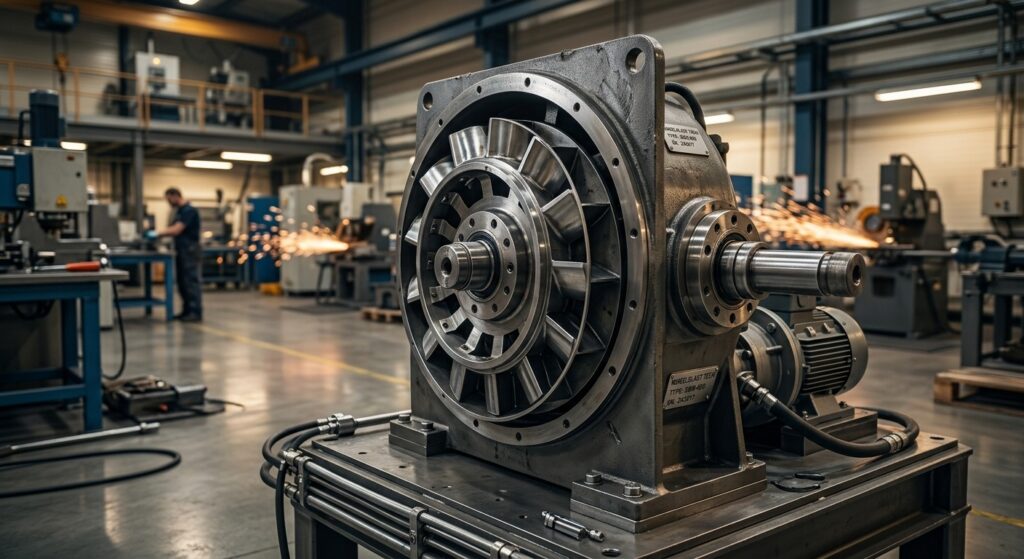
Best Practices to Maximize Shot Blast Wheel Lifespan
1. Use High-Quality Abrasives
Low-quality abrasives often contain contaminants that increase wear on wheel components.
Choose abrasives with:
- Consistent particle size
- Controlled hardness
- Low dust content
2. Monitor Wheel Balance
Unbalanced wheels create vibration, leading to premature wear of:
- Bearings
- Blades
- Impellers
- Motors
Regular balancing improves both performance and component life.
3. Follow Preventive Maintenance Schedules
A preventive maintenance program should include:
- Daily visual inspections
- Weekly wear measurements
- Monthly performance evaluations
- Scheduled component replacements
4. Maintain Proper Blast Patterns
Incorrect blast patterns concentrate wear in specific areas.
Regularly check:
- Control cage position
- Abrasive flow rate
- Wheel rotation direction
- Coverage area
5. Replace Wear Parts Before Failure
Waiting until components fail completely can cause collateral damage throughout the wheel assembly.
Replacing wear parts at recommended wear limits is often far more cost-effective.
Why Using Genuine Shot Blast Spare Parts Matters
One of the most effective ways to maximize equipment reliability is by using high-quality shot blast spare parts. Genuine replacement components such as blades, impellers, control cages, liners, and distributors are engineered to withstand severe abrasive wear and maintain optimal blasting performance. Investing in premium shot blast spare parts not only extends the lifespan of your blasting equipment but also reduces unexpected downtime, maintenance costs, and productivity losses.

Benefits of Proper Shot Blast Wheel Maintenance
Companies that maintain their shot blast wheels correctly often experience:
- Lower operating costs
- Reduced machine downtime
- Longer component lifespan
- Consistent surface preparation quality
- Reduced abrasive consumption
- Improved production efficiency
A proactive maintenance strategy can extend component life by 20–50% compared to reactive maintenance practices.
Conclusion
The performance and longevity of a shot blast wheel depend heavily on the condition of its blades, impellers, and control cages. These components work together to accelerate and direct abrasive media efficiently. When properly maintained, they deliver consistent blasting performance while minimizing downtime and replacement costs.
Regular inspections, proper wheel adjustments, high-quality wear parts, and preventive maintenance practices can significantly extend equipment life and improve overall productivity. Investing time in wheel maintenance today can save substantial repair and operational expenses in the future.
Frequently Asked Questions (FAQ)
1. How often should shot blast wheel blades be replaced?
Replacement intervals depend on abrasive type, operating hours, and blasting intensity. Most facilities inspect blades weekly and replace them when wear reaches the manufacturer’s recommended limits.
2. What causes premature blade wear in shot blasting machines?
Common causes include poor-quality abrasives, incorrect control cage positioning, wheel imbalance, excessive wheel speed, and improper maintenance.
3. How do I know if my control cage is worn out?
Signs include an enlarged opening, uneven blast patterns, increased abrasive consumption, and reduced cleaning efficiency.
4. Can a worn impeller affect blasting performance?
Yes. A worn impeller can disrupt abrasive flow, create wheel imbalance, reduce blasting consistency, and accelerate wear on blades and other components.
5. Why is wheel balancing important?
Proper wheel balancing minimizes vibration, reduces bearing stress, extends component life, and improves overall blasting efficiency.
6. What is the most important wear part in a shot blast wheel?
While all wear components are important, blades typically experience the highest wear rate and have the greatest direct impact on blasting performance.
7. How can I reduce shot blast wheel maintenance costs?
Implement preventive maintenance, use premium wear-resistant components, maintain proper wheel adjustments, and replace worn parts before catastrophic failure occurs.